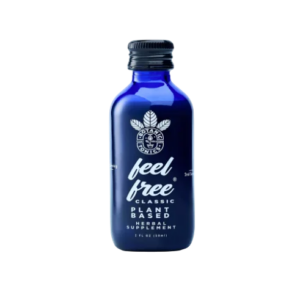




















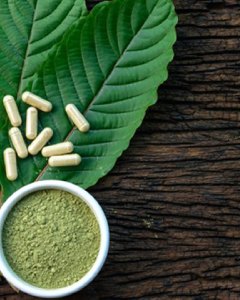
Kratom (scientific name: Mitragyna speciosa) is a tropical evergreen tree native to Southeast Asia, where its leaves have been used for centuries in traditional medicine and as a stimulant. In recent years, it has gained popularity in Western countries, where it is often sold as a herbal supplement in various forms, including capsules, powders, and teas. Kratom contains two primary active compounds, mitragynine and 7-hydroxymitragynine, which interact with opioid receptors in the brain.
Read More
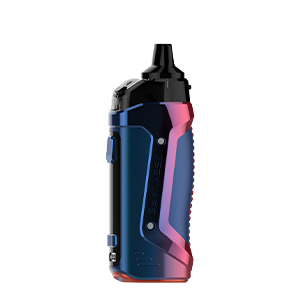
Kratom (scientific name: Mitragyna speciosa) is a tropical evergreen tree native to Southeast Asia, where its leaves have been used for centuries in traditional medicine and as a stimulant. In recent years, it has gained popularity in Western countries, where it is often sold as a herbal supplement in various forms, including capsules, powders, and teas. Kratom contains two primary active compounds, mitragynine and 7-hydroxymitragynine, which interact with opioid receptors in the brain.
Read More
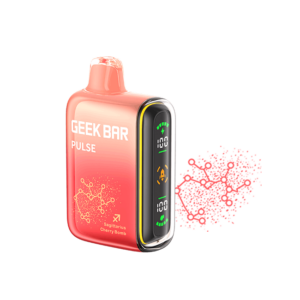
Kratom (scientific name: Mitragyna speciosa) is a tropical evergreen tree native to Southeast Asia, where its leaves have been used for centuries in traditional medicine and as a stimulant. In recent years, it has gained popularity in Western countries, where it is often sold as a herbal supplement in various forms, including capsules, powders, and teas. Kratom contains two primary active compounds, mitragynine and 7-hydroxymitragynine, which interact with opioid receptors in the brain.
Read More
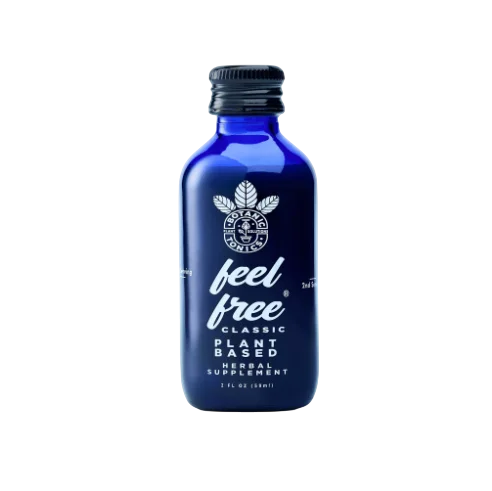
Kratom (scientific name: Mitragyna speciosa) is a tropical evergreen tree native to Southeast Asia, where its leaves have been used for centuries in traditional medicine and as a stimulant. In recent years, it has gained popularity in Western countries, where it is often sold as a herbal supplement in various forms, including capsules, powders, and teas. Kratom contains two primary active compounds, mitragynine and 7-hydroxymitragynine, which interact with opioid receptors in the brain.
Read More
A short description goes here with some engaging text.